

Peer Learning Examples Teachers Can Use Tomorrow
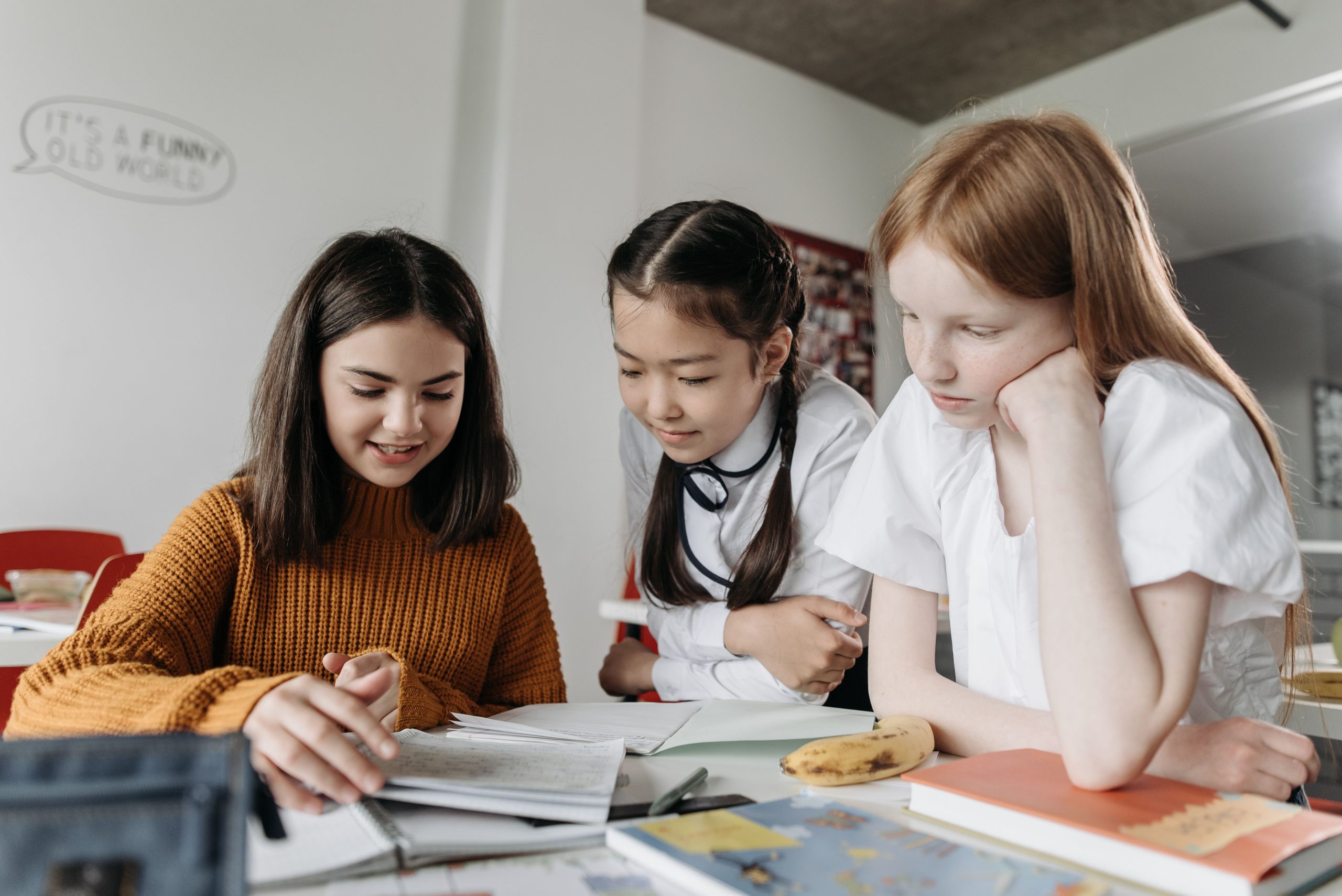
When it comes to teamwork, group work has a bit of a bad stigma. Students groan. One child ends up doing everything. Sound familiar?
Peer teaching is one of the best tools in your classroom, but it has to be done right. Instead of teaching from a cute podium, students converse, pose questions, and collaboratively solve problems. Research on this goes back decades. And classrooms that do this well see tangible results.
Here are some peer tutoring examples you can try as early as tomorrow.
Let Students Teach Each Other
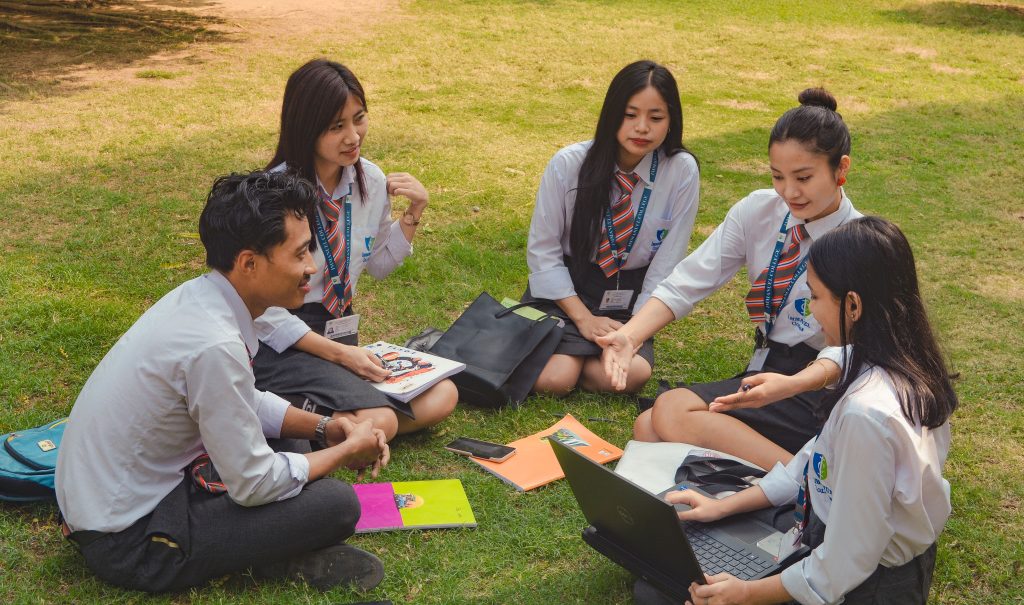
This is one of the oldest peer tutoring examples in the book. And teachers still use it because it works.
The fastest way to check if a student really knows something? Ask them to explain it to someone else. Pair up a student who gets the material with one who’s still figuring it out. The student doing the teaching gains just as much as the one who’s learning. They have to organize their own thoughts. They have to find words simple enough for their partner to follow. That process sticks.
Try Think-Pair-Share
This one is simple. It works every single time.
Ask a question. Give students a quiet minute to sit with it on their own. Then they pair up and talk it through with a partner. After that, the class comes back together and pairs share what they came up with.
Don’t skip the quiet part. Students need that moment to process before they can really talk. Rush it and half the class goes blank when it’s time to share.
Give Everyone a Job
When everyone in a group has a role, things run more smoothly. Try these:
- Leader: keeps the group on track
- Recorder: writes down the group’s ideas
- Encourager: keeps the energy up
- Checker: looks over the work before it’s done
No one can coast. Every person has something to own. The group depends on each student doing their part.
Use Real Problems
Give students a real problem to solve. Not a made-up textbook scenario. Pick something from their school or neighborhood. A local issue. A real debate is happening in their community. Something they actually care about.
When students feel connected to the problem, they dig in harder. They form real opinions. They do actual research. And they remember what they learned because it mattered to them.
Let Students Rate Each Other

Peer feedback is a strong tool. After group work, have students give each other short written feedback. Keep it structured. Ask them to name one thing their partner did well and one thing to improve. That’s it. Simple and clear. Students start paying attention differently when they know a classmate is looking over their work, too.
Warm Up With a Game
Before heavy group work, try a quick cooperative game. This works especially well with younger students who don’t yet know how to work with others. Games teach the same skills as group projects, but in a low-pressure way. Students laugh, loosen up, and then they’re ready to dig in.
Teach Hub has cooperative classroom games sorted by grade level. A great place to start.
Build the Groups Yourself
Don’t let students self-select every time. By themselves, they cluster together with their best pals. It is great for them for their fun, but it’s not the same for learning. Combine a high achiever with one who has fallen behind. Add some variety. Construct groups that force everyone to raise their game.
The ideal number is somewhere between four and five students. If it’s too small, ideas run out quickly. Too large, and some become passengers at the rear.
Start with one of these peer tutoring examples this week. See what clicks. With this one small change, a whole world of learning is opened for you in your class.