

Gamification in Education: When It Helps (and When It Distracts)
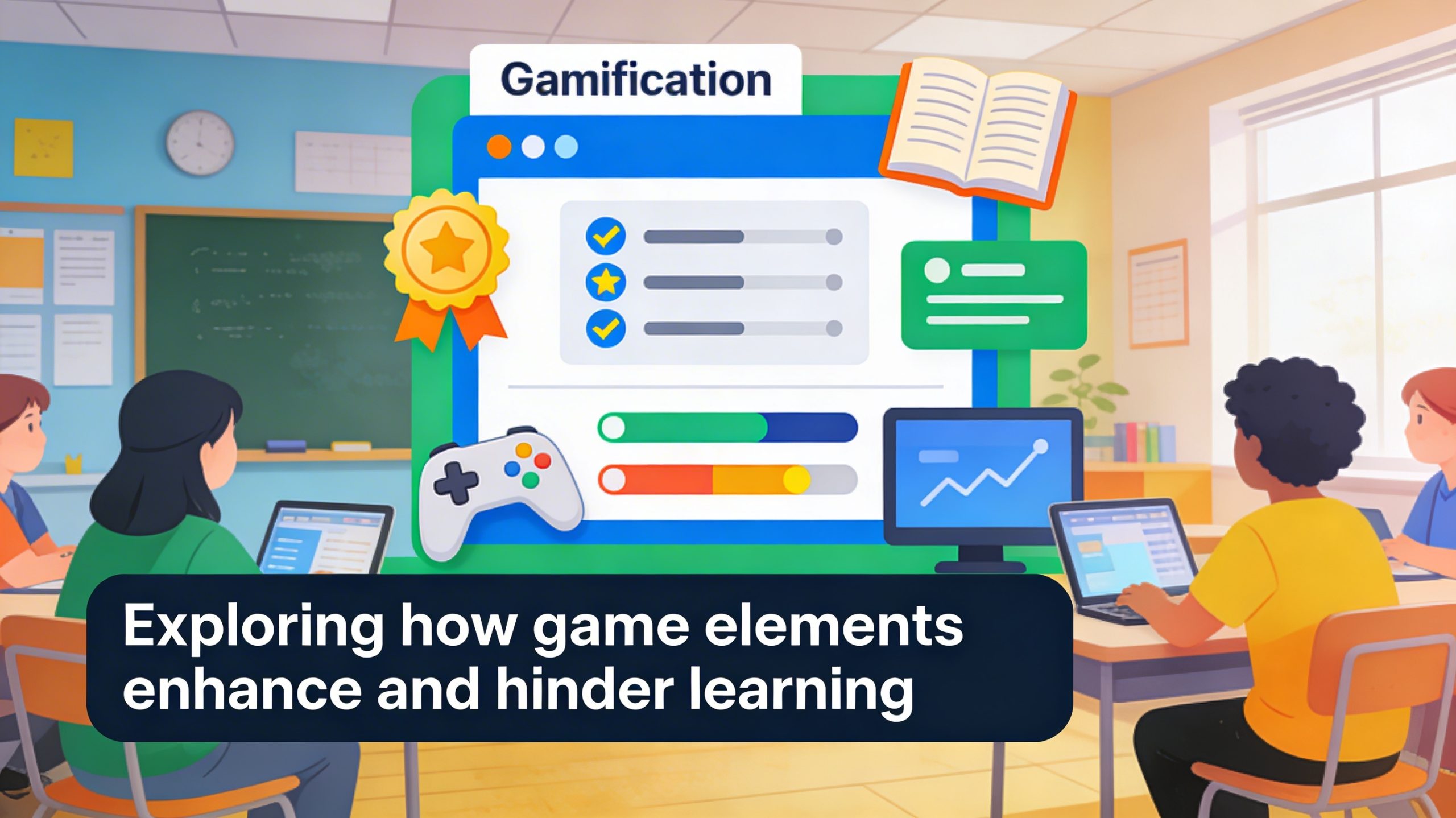
Games make learning fun. And that simple idea has sparked a revolution in classrooms and online courses everywhere. Today’s teachers are adding points, badges, and challenges to ordinary lessons, a practice called gamification. But does turning education into a game-like experience actually work? Let’s find out.
What Gamification Is (and What It Isn’t)
Gamification adds game elements to any regular learning activities. These include points for completing tasks, badges for achievements, progress bars to show growth, and leaderboards to track success.
This differs from game-based learning. Gamification just adds game features to normal lessons. Game-based learning happens inside an actual game designed to teach specific skills.
When Gamification Helps
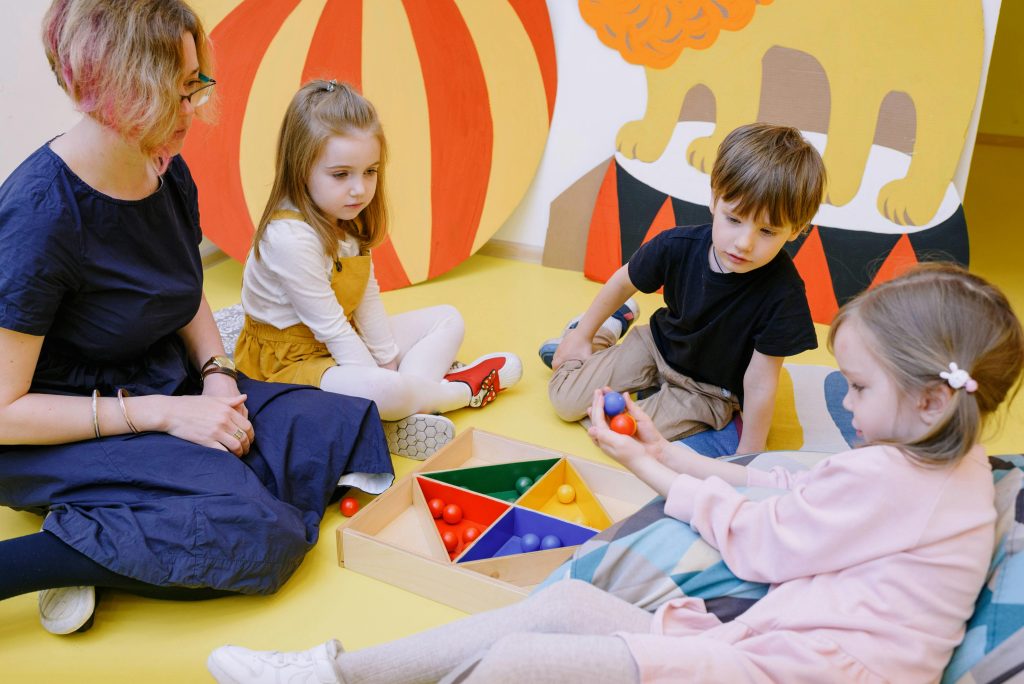
It lifts engagement and motivation
Students are more likely to enjoy learning activities when small incentives are promised. A sense of accomplishment arises when learners witness their point totals increase and earn new badges. As the eLearning Industry observes, these elements satisfy the psychological need for competence.
Progress bars and level systems also show students how far they’ve come. This visual feedback makes the effort feel worthwhile.
It supports memory through fast feedback
Quick responses after quizzes help cement knowledge in students’ minds. When a student answers a question and immediately learns if they got it right, that information sticks better.
Good gamified systems explain answers, too. This stops students from repeating mistakes. Peterson’s Test Prep does this well. They don’t just mark answers right or wrong, but explain why, which helps facts stay in memory longer.
It can increase participation and teamwork
Collaborative teamwork also fosters objectives that bring students together around shared goals. Classmates create a sense of belonging when they are collectively achieving milestones. Research has shown that these collaborative elements mirror real-world problem-solving.
Group progress trackers also help students feel like they are part of something bigger than themselves. This social connection often motivates students who might otherwise stay quiet or become disengaged.
When Gamification Distracts
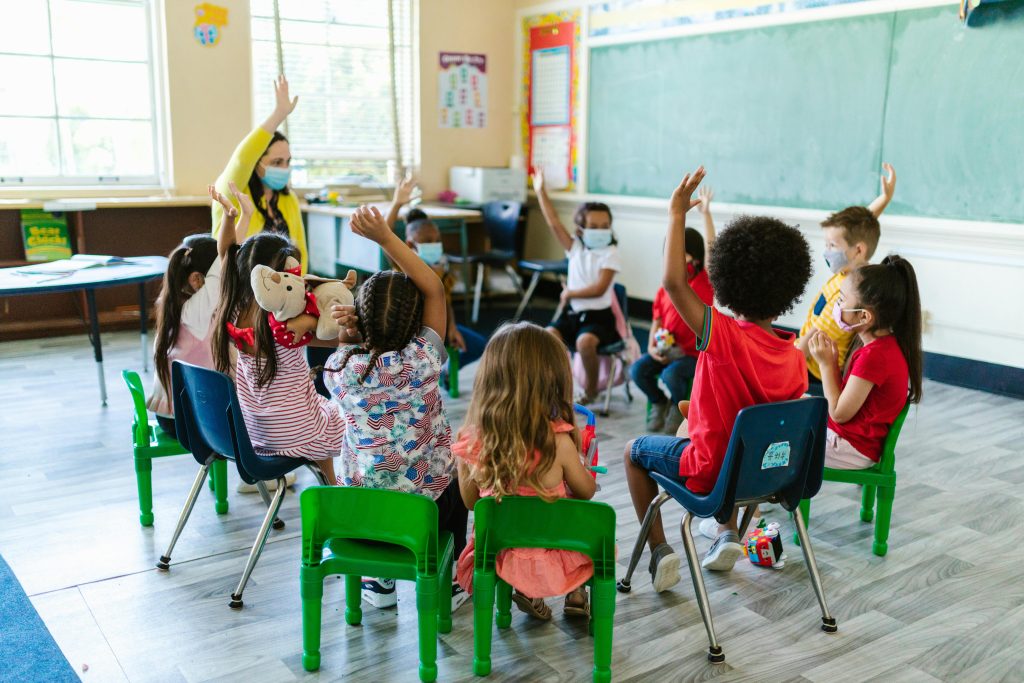
It can turn learning into “reward chasing.”
Students can sometimes complete tasks to earn points rather than to master the material. And this external motivation can backfire. Once rewards stop, the interest rate declines.
Research has shown that constant rewards may make learners dependent on external validation. True learning requires internal drive, which is the genuine desire to know and grow.
Competition can stress learners out
Leaderboards that rank students can create anxiety. We all know that not everyone thrives under competitive pressure. And also know that not everyone enjoys competition. Some students may feel discouraged if they never reach the top spots. And also some might want to keep the top stop.
This stress can actually block learning. Students focused on beating others might skip deeper engagement with the material just to move ahead faster. And this can cause problems in their learning process.
It can oversimplify deeper learning
Some topics need slow thinking and reflection. Critical thinking, creative writing, and complex problem-solving don’t always fit neatly into point systems or quick challenges.
These greater skills often develop through messy and open-ended exploration. And this is something that structured game elements might accidentally discourage.
Practical Guidelines
Game elements can serve as helpful tools, but should never replace genuine teaching. Teaching should focus on rewarding progress and growth, and not just completion.
Whenever possible, keep competition either optional or team-based. This lessens anxiety and fosters community rather than divisiveness.
Also, make sure to set clear objectives and provide straightforward ways for students to monitor their progress. Simple designs allow students to focus on the content rather than on elaborate gaming features.
Also, consider accessibility. Always ensure that students can fully participate, regardless of their technological accessibility or learning differences.
When done right, gamification shouldn’t detract from the learning. The focus should not be on the games themselves, but rather on the learning that should happen through playful experiences.