

Classroom Routines That Support Student Collaboration (Without Chaos)
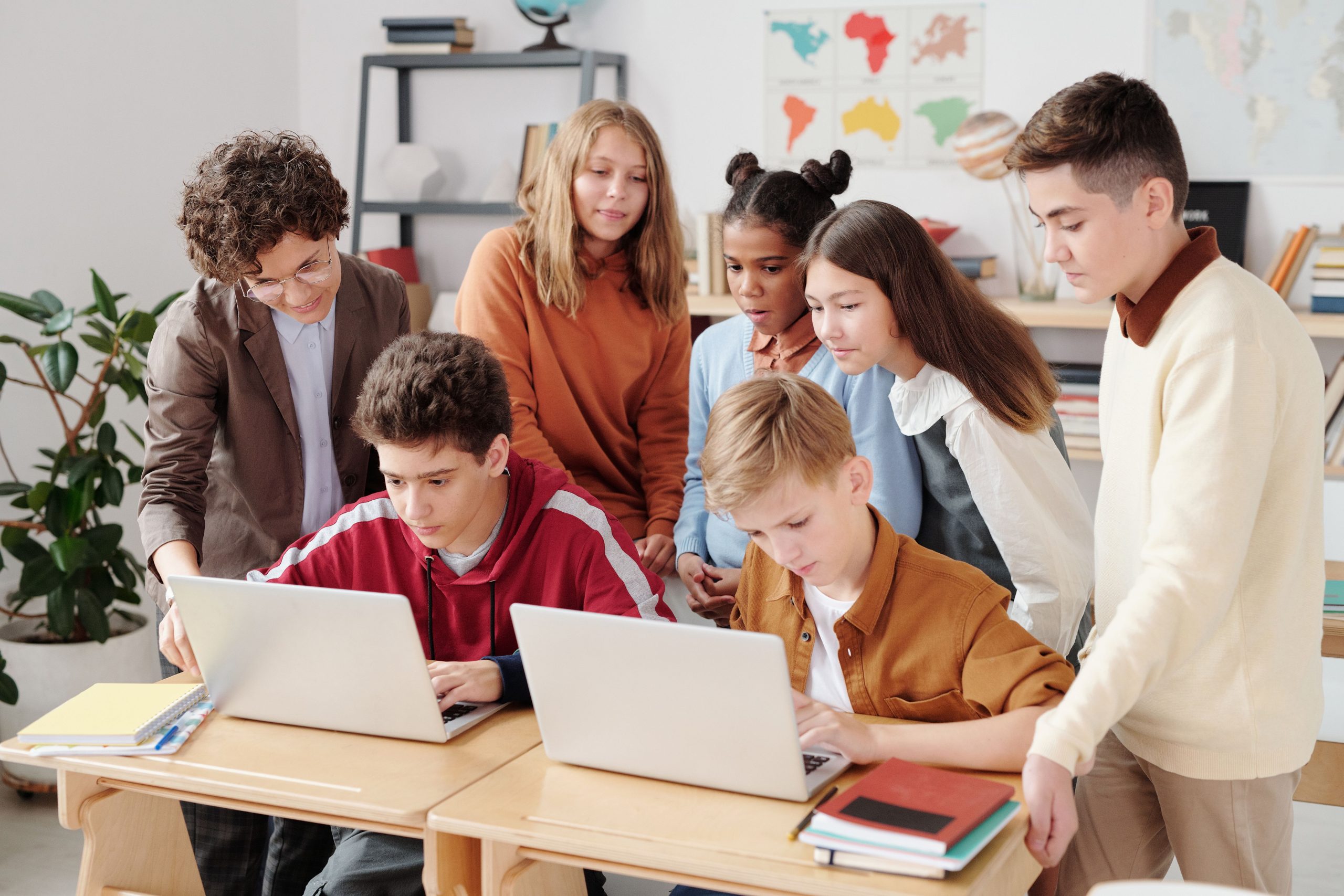
Every teacher has been there. You switch your students from class discussion to group work. The room suddenly resembles a bus station. Chairs scraping. Kids wandering. Just like that, five good minutes are gone.
All of this can be salvaged with effective classroom routines. Kids have a clear road to follow with routines. They eliminate confusion and allow students to focus on real learning rather than logistical issues.
Smooth Transitions Start With Practice
A transition is any moment students shift from one task to another. Coming in from the hall. Moving from a full-class lesson to small groups. Switching from a loud discussion to quiet work.
Good transitions share three things:
- Set a clear timer for them
- Practice them often until they feel natural
- Give each one a real purpose
Teachers at World of Inquiry School in Rochester, New York, map out each transition. Students know the next step. They know the timing, too. The room stays calm. Learning keeps moving forward.
Treat transitions like a skill you teach. Do not treat them like a rule that students will guess. Practice makes the routine smooth.
The First Five Minutes and the Last Five Minutes
These two time slots may look small. They carry a lot of weight. The first five minutes set the tone for the lesson. A bell-ringer or short written prompt gets minds moving quickly. It also gives you time to take attendance or collect homework. The flow stays steady.
The last five minutes are just as key. Exit tickets do the job well here. Students jot down one thing they learned or one question they still carry. You also get a fast read on where the class stands. Students can also leave with a sense of closure instead of confusion.
Paper Management That Students Actually Own
Papers pile up fast. When no one knows where anything goes, you end up spending half your time playing paper detective. You will need to build a simple system and teach it early.
A few things that work well:
- A crate sorted by class, with a labeled folder for each student
- Color-coded handouts so kids can tell notes from homework at a glance
- Regular “binder tune-up” days, where students sort and clean up their work
The goal is to hand the job off to students rather than keep it for yourself. When kids know the system well, they stick to it. They also start to treat their work with more care.
Give Students Real Jobs in the Classroom
Class jobs are an easy way to create a solid team mentality. Put students in charge of supplies, caring for the class plants, keeping the library organized, or maintaining the bulletin board. It is a small task, but it gives a sense of real ownership.
The students who have real jobs in the room are invested in it. They’re more diligent, attentive, and likely to hold their peers to the same standard. It creates pride without a single finger-wagging talk about responsibility.
Teach Collaboration Step by Step
Teamwork does not just happen. You have to teach it. Start simple with partner chats. Train students to face each other, take turns, and listen to one another. Do not simply wait for a gap to talk.
As long as students are comfortable with a partner, you will need to transition them into groups of three or four. With larger groups, some extra skills come into play:
- Deciding on a fair turn-taking order
- Shifting focus from speaker to speaker
- Waiting patiently without drifting off
You can also continue to observe how students collaborate. Be specific and let them know their positive test-oriented efforts. Reteach when things fall apart. That is how true collaboration matures gradually.
Routines don’t box students in. They clear the path. Once children understand the framework, they no longer waste energy on confusion. Instead, they poured it all into learning.