

Adaptive Learning Technology: Pros, Cons, and Classroom Use Cases

Not every student learns at the same pace. However, for some, a concept is understood instantly. Others need more time. They may also need a different way to learn it. And that is where Adaptive Learning technology comes into the picture.
What Is Adaptive Learning Technology?

Adaptive learning technology is basically a software that adapts lessons and tasks for each individual student. It does this in real time relative to the student’s performance. It tracks what a student knows through AI. It also keeps a record of what still requires fixing. Then, perfectly appropriate content is delivered at the perfect time.
Imagine a classroom with thirty students. One moves fast through the math unit. Another struggles with the same skills. A third knows the basics. That student then meets a roadblock halfway through. Not all three students can be crammed into the same lesson at the same time. Adaptive learning technology can.
It collects data on each pupil’s individual performance. A learning path is varied for every individual. You can take a variety of paths from one student to another. Each student moves through the material differently each time.
How Does It Work?
The software starts by checking what a student already knows. Short quizzes may be used. It might even monitor how long a student stays on each page. It will then decide what the next thing should be.
The system progresses if a student grasps a concept without difficulty. If a student has difficulties, they will be given the extra exercise. A simpler explanation may also be shown. It keeps adjusting on the go. It’s not unlike a hawk-eyed tutor. It fills the void, and it is always there when you need help.
The software also collects data that faculty can use. They can identify students who are failing. Then lessons can be changed early on. This way, the course is not too far in the future.
The Pros of Adaptive Learning Technology

There are some solid benefits worth knowing about:
- Students learn at their own pace. Fast learners don’t sit around bored. Slower learners don’t get left behind.
- It gives instant feedback. Students know right away if they got something wrong. No waiting for a graded test.
- Teachers get useful data. They can spot struggling students early and step in fast.
- It can replace costly textbooks. Digital courseware often costs far less than printed books.
- Students stay more engaged. When content matches their level, they actually want to keep going.
It also helps close equity gaps. Students from very different backgrounds all get content that fits their level. That matters a lot in higher education, where gaps in skill levels can be huge.
The Cons of Adaptive Learning Technology
It’s not all great, though. There are real downsides.
- Too many quizzes can feel exhausting. Students may start guessing just to get through them.
- Online-only platforms can feel lonely. A screen does not replace real classroom talk.
- Students may skip content they actually need. The system doesn’t always call it right.
- Poorly built tools can carry bias. If the content is outdated or one-sided, the system just spreads that further.
- Building a good adaptive course takes real time. Teachers and designers need solid knowledge to do it well.
Bad software is also a real issue. Some tools just shuffle quiz questions and call it adaptive. That’s misleading. Real adaptive learning goes much deeper than that.
Classroom Use Cases
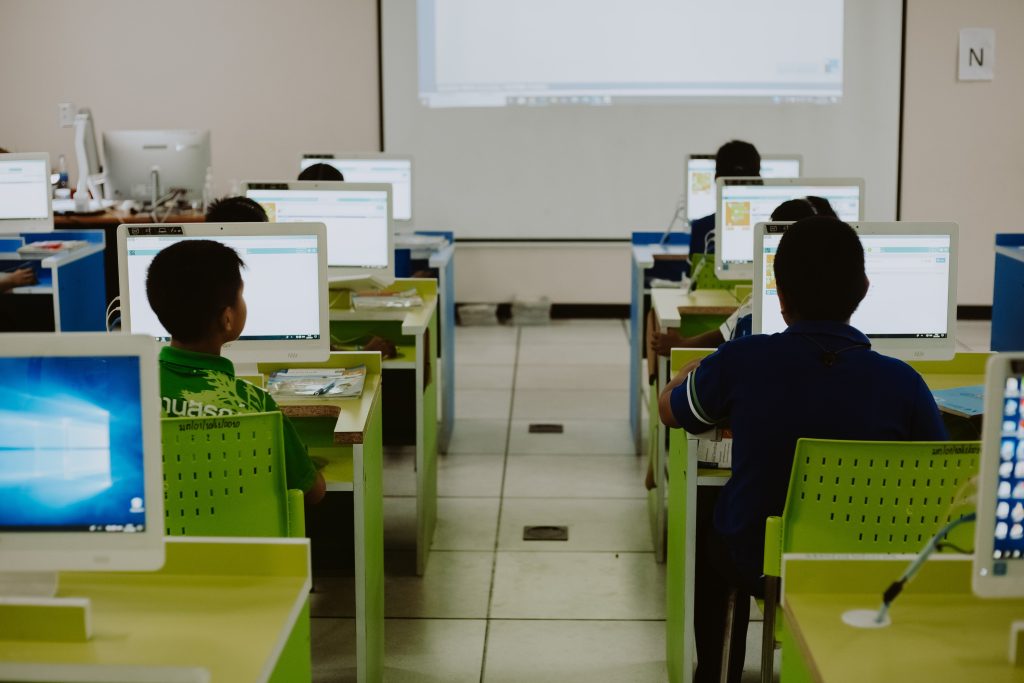
Adaptive learning technology works across many settings. Here are a few real-world examples:
- Math and language courses use it to adjust practice tasks for each student’s skill level.
- Online programs use it to allow students to work from home without falling behind in class.
- Blended courses mix face-to-face sessions with adaptive online work. Students prep online and then go deeper in class.
- Large intro courses use it to manage hundreds of students at once. Teachers can see where the whole group is stuck and adjust fast.
It has been used in courses and schools such as the University of Texas at El Paso and Cleveland State University, across multiple disciplines like math, biology, and business. Pass rates for students in those programs showed actual gains.
So, Is It Worth It?
Adaptive learning technology really does work. It can help more students succeed. That is perhaps most effective when teachers are also involved, and care goes into the software. The tool supports the teacher. It does not replace them.
Your school should start small when exploring adaptive learning. Pick one course. Test it. Learn from it. Build from there.