

Student Voice in the Classroom: Practical Ways to Increase Ownership
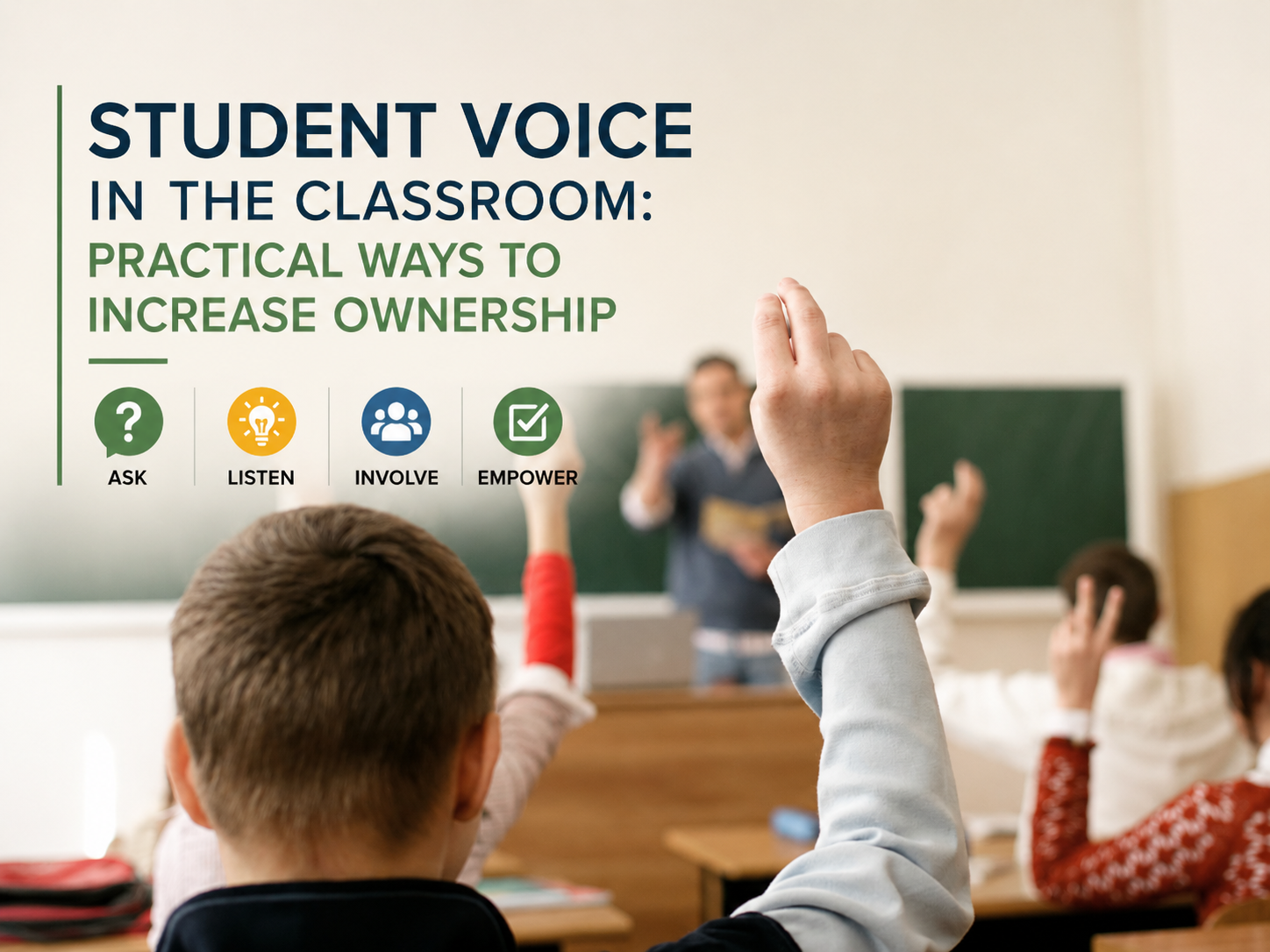
We would all agree that student voice is important. Here are some things that can help with that in the classroom.
Students who are heard in class perform better. Research backs this up. According to Douglas Fisher and Nancy Frey, the amount a student talks in class is directly related to what they learn. More talk equals more growth. Simple as that.
But here’s the honest truth. Many students go through the school day feeling invisible. Educator Alexis Wiggins found that many children “feel like something of an annoyance the entire time.” That stings. And it means more work for teachers.
The good part is that some simple changes in the manner in which you run your class can switch that entirely.
Start the Day With a Quick Check-In
Students walk into class carrying a lot. A bad grade from yesterday. A fight with a friend. Stress about the homework they forgot. If you launch straight into a lesson, you lose half the room before you even begin.
Try opening with a simple prompt instead. Ask students what’s on their mind. Let pairs share for two minutes. This clears mental clutter and builds a real connection between students. It tells them they matter here, not just their test scores.
After that quick share, slide right into the lesson with an open question tied to the day’s topic. Students stay engaged, and the energy stays up.
Built in Real Chances to Speak
Planning is where the student voice in the classroom lives or dies. Ask yourself these questions before each lesson:
- When do students get to talk and share their ideas?
- Do they ever write on the board or lead part of the class?
- Do they have any say in how they show what they know?
- Does the work connect to their lives outside school?
If most of your answers are “no,” it’s time to mix things up. Students don’t have to sit quietly and absorb everything. They can lead discussions, share ideas out loud, and debate topics. Even small choices feel big to a student who never gets any.
Use Debate and Voting

Teenagers love to argue. Every teacher knows this. So why not channel it into something useful? Debate is a great tool. Pick a topic from your unit and split the class into two sides, and then let them go. They learn to think critically. They learn to listen. And they actually have fun doing it.
Voting works too. Let students vote on the classroom setup or the next topic to explore. The choice does not need to be a big one. What matters is that students feel their opinion counts. That feeling alone can change how they show up.
Ask About Life Outside the Classroom
Some students speak up right away. Others fade into the background when no one calls them in. Do not let that happen. Make sure you connect with every student. Not only the most vocal ones.
Say hello as they enter. Check in during small group time. Sit with a few students at lunch now and then. These small moments can matter more than you might expect. John Hattie put it clearly: “A positive, caring, respectful climate in the classroom is a prior condition to learning.” Strong relationships build confidence. Confidence helps students share more. A helpful cycle starts and can carry through the whole year.
Ask for Feedback and Use It
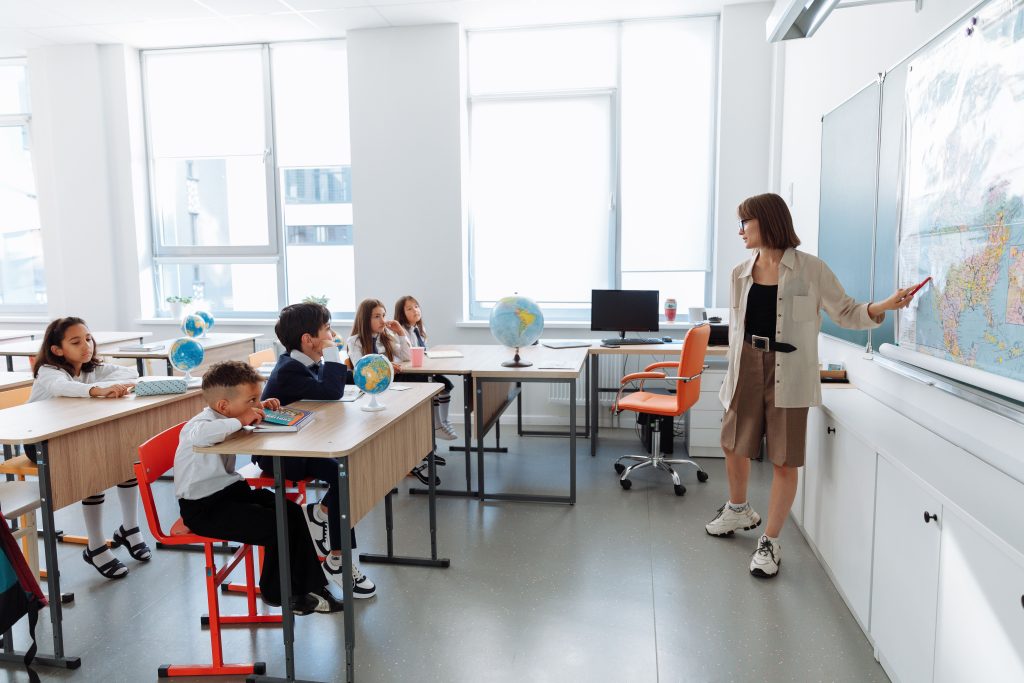
Ask students what worked in a unit and what fell flat. A quick survey can take about two minutes at the end of class. The key is to use what they share. Trust grows fast when students see their feedback lead to a change. They open up more in class. They take more ownership of their learning.
Student-led conferences are also worth trying. Instead of teachers and parents talking about a student who is not in the room, let the student lead the meeting. Their own work is presented. Strengths are named. Areas for growth are also shared. That kind of ownership can stay with them for years.
Start Small and Consistent
It is a common misconception that we lose control of the classroom when we give students a voice. It means sharing it. Students who feel a sense of belonging invest more. They try harder. They care about the outcome.
You do not have to change everything all at once! Ask one more open question. Give them a vote on one small thing. Listen a little longer. Those small moments stack up. And so does the learning.